






Blogfeed
Anyone can teach the alphabet, but helping a shy child find the confidence to speak up is something entirely different. That’s the difference that sets teachers apart. It is the difference between what to teach and knowing how to teach. Behind every successful preschool classroom, there are skills that quietly shape a child’s experience every single day.
Walk into any preschool classroom, and you’ll notice it almost immediately: one child may be eager to answer every question, while another may be quietly observing from the back.
A skilled teacher knows there’s no “normal” pace for learning. Instead of comparing children, they celebrate progress. They teach based on each child’s needs and abilities. One child may need three attempts, another only one. That’s normal, and handling situations like these requires skills and patience.
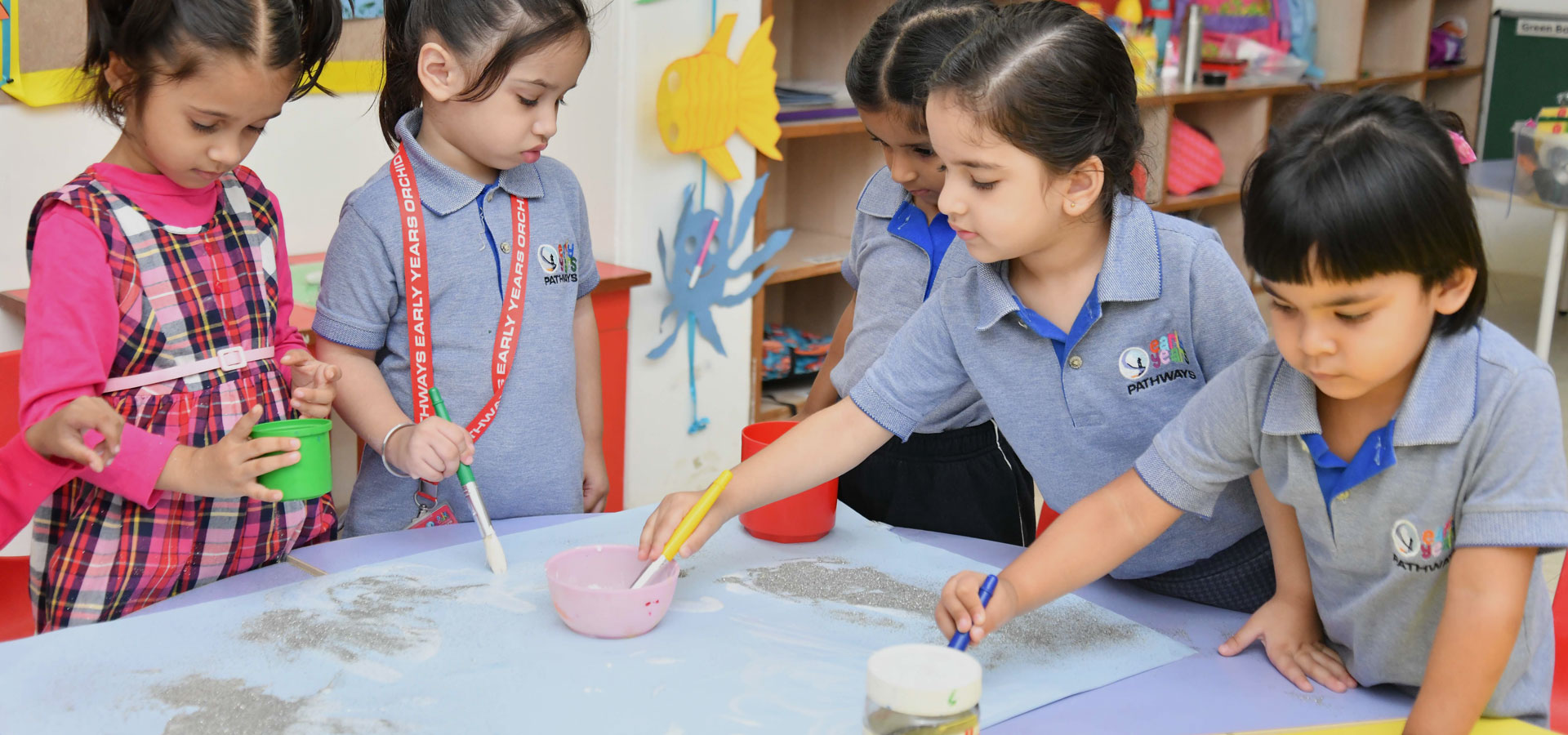
Young children may not remember a worksheet, but they’re far more likely to remember building a tower, acting out a story, planting a seed, or singing a song with their classmates.
This is why creativity matters most in classrooms. Preschool teachers need to constantly turn ordinary objects and everyday conversations into learning opportunities. Counting snacks becomes an early math lesson, or a story before lunch becomes a chance to build language skills. The best lessons often don’t look like lessons at all.
Some children will tell you exactly how they’re feeling. Others won’t say anything at all.
Maybe a kid who’s usually very chatty is now suddenly quiet. Sometimes they stop joining their favourite activity or suddenly become frustrated over something small.
Preschool teachers learn to notice these little things. It’s about recognising when a child may need encouragement, reassurance, or simply a little extra attention. Those small observations often make the biggest difference.
Some days, everything runs smoothly. On others, an activity you thought would take five minutes can stretch to twenty or take an unexpected turn altogether. Anything can happen. It is important to stay calm in such situations. Experienced preschool teachers learn to adapt, and that is a very important skill.
Children are known to learn more properly when they feel safe, understood, and heard. That trust is built through listening and understanding them, encouraging them if they make a mistake, or even sharing their achievements with their parents at the end of the day.
Strong communication isn’t just another teaching skill. It’s what connects teachers with their students. These conversations help children feel comfortable and confident to learn.
Every effective preschool teacher has to keep learning.
Every classroom, every child, and every experience teaches something new. Some may teach you to be more patient, while others may force you to change your teaching style. Over time, these changes and lessons make teachers more confident and adaptable, and more prepared for whatever may come in the future.
No one comes into their first preschool classroom knowing everything. Most of these skills develop with experience, but having the right guidance early on can make the process smoother.
The Teacher Training Program at Pathways Early Years is designed to give teachers exactly that. You’ll get opportunities to connect what you learn with real classroom experiences, understand child development and many other modern teaching approaches. It’s an opportunity to build the skills, confidence, and experience needed to thrive in a preschool classroom.