





Blogfeed
Have you ever watched a baby learn something new, like smiling, taking a first step, or saying “mama”? It feels magical. But behind that magic, something powerful is happening.
The first five years of life are the foundation for everything that follows - learning, emotions, behaviour, health, and even success later in school and work.
Many child development experts, including programs like Pathways, remind us that these early years are not just “cute”; they are critical.
From birth to age five, a child’s brain grows more than at any other time in life.
Scientists explain that during these years, the brain forms millions of new connections every single second. These connections shape:
Also read : Why the First 5 Years Matter - Early Learning Insights from Pathways GK
Learning Starts Long Before School
Many people think learning begins in kindergarten.
In reality, learning begins almost from birth.
A baby watches faces.
A toddler explores cupboards.
A preschooler asks questions like “Why?” and “How?”
These are not just cute moments; they are powerful early learning moments.
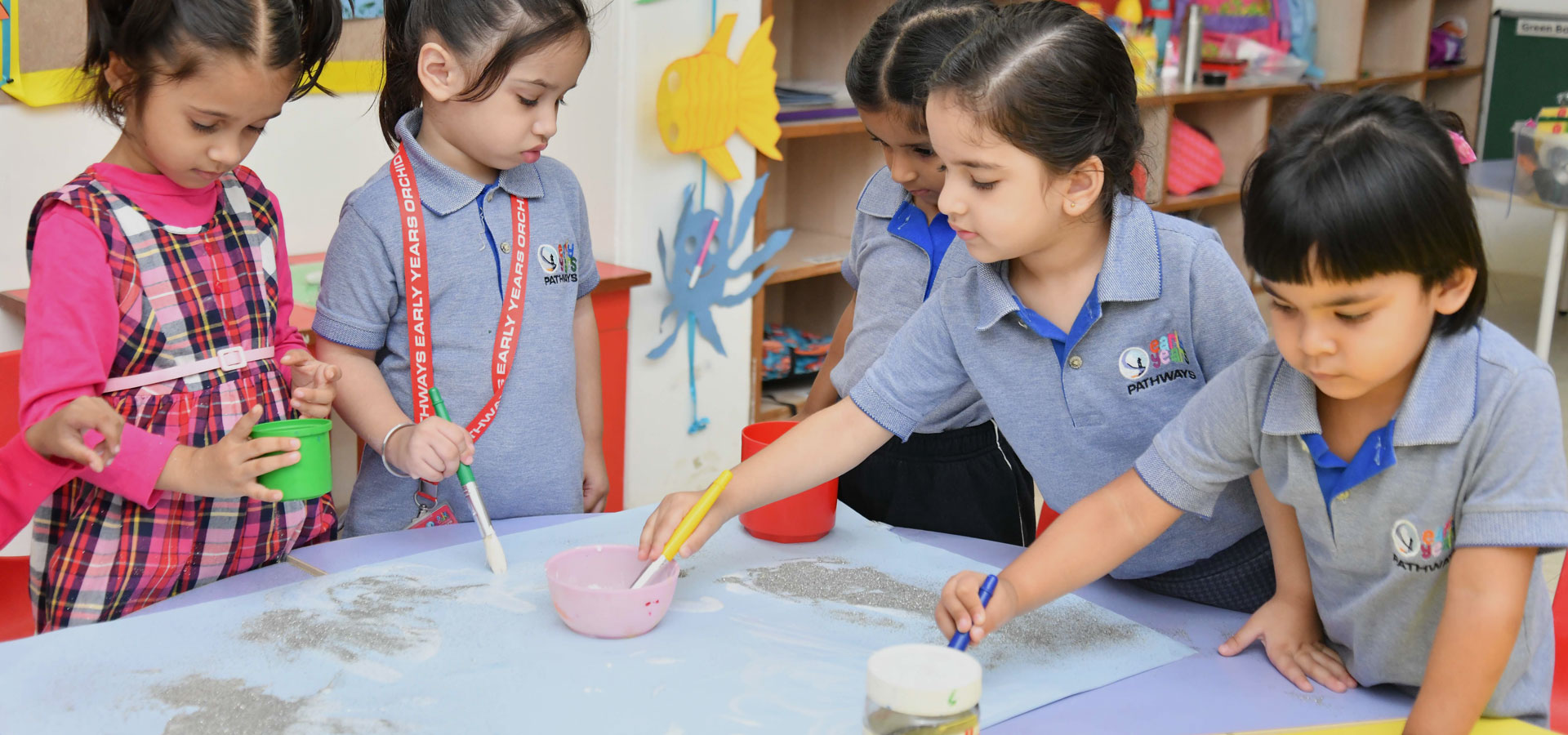
Pathways research shows that children learn best when they:
Emotional Development is Just as Important as Academic Learning
Early learning is not only ABCs and numbers.
It is also about feelings.
In the first five years, children learn:
Also read : How Outdoor Challenges Build Confidence in Young Children
Some children may develop at a slower pace than others.
This can be related to speech, movement, behavior, or attention.
The good news?
When signs are noticed early, support can help children catch up.
Programs like Pathways encourage parents to watch for milestones such as:
Sometimes adults think learning means worksheets or early school pressure.
Research, however, tells us something different:
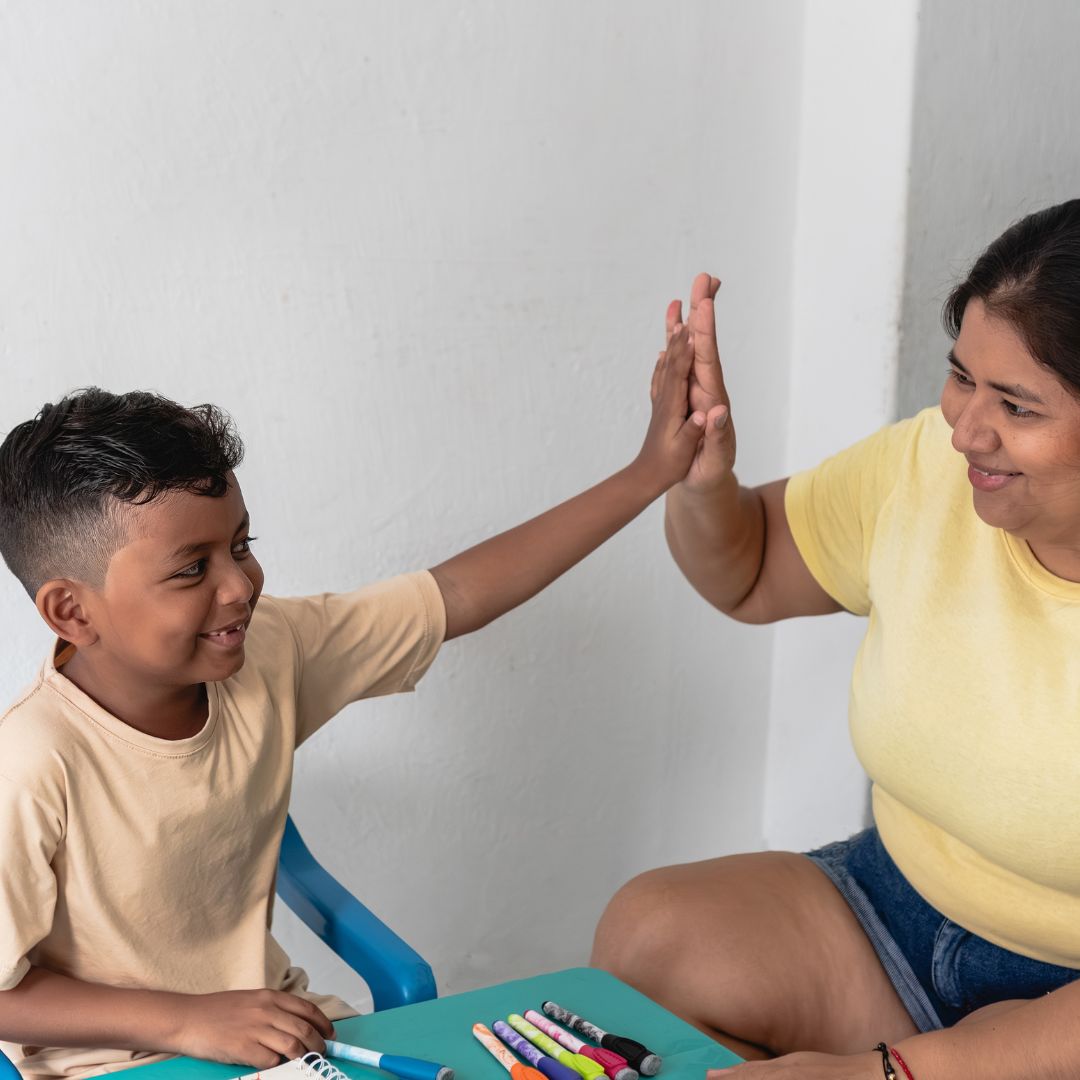
Play is the best learning tool for young children.
Through play, your kids can learn to:
Many parents worry:
“Am I doing enough?”
Here is some reassuring truth:
Children do not need perfect parents.
They need present, caring parents.
Daily activities become learning moments:
Also read : Key Developmental Milestones in the Early Years
When children get strong support during early years, they are more likely to:
The first five years may seem simple , giggles, toys, naps, messy meals.
But inside those moments, the brain is building pathways for life.
When we:
We are shaping the future.
So slow down. Enjoy the small moments. They matter more than we think.
And remember, you don’t need to be perfect.
You just need to be caring, patient, and present.