





Blogfeed
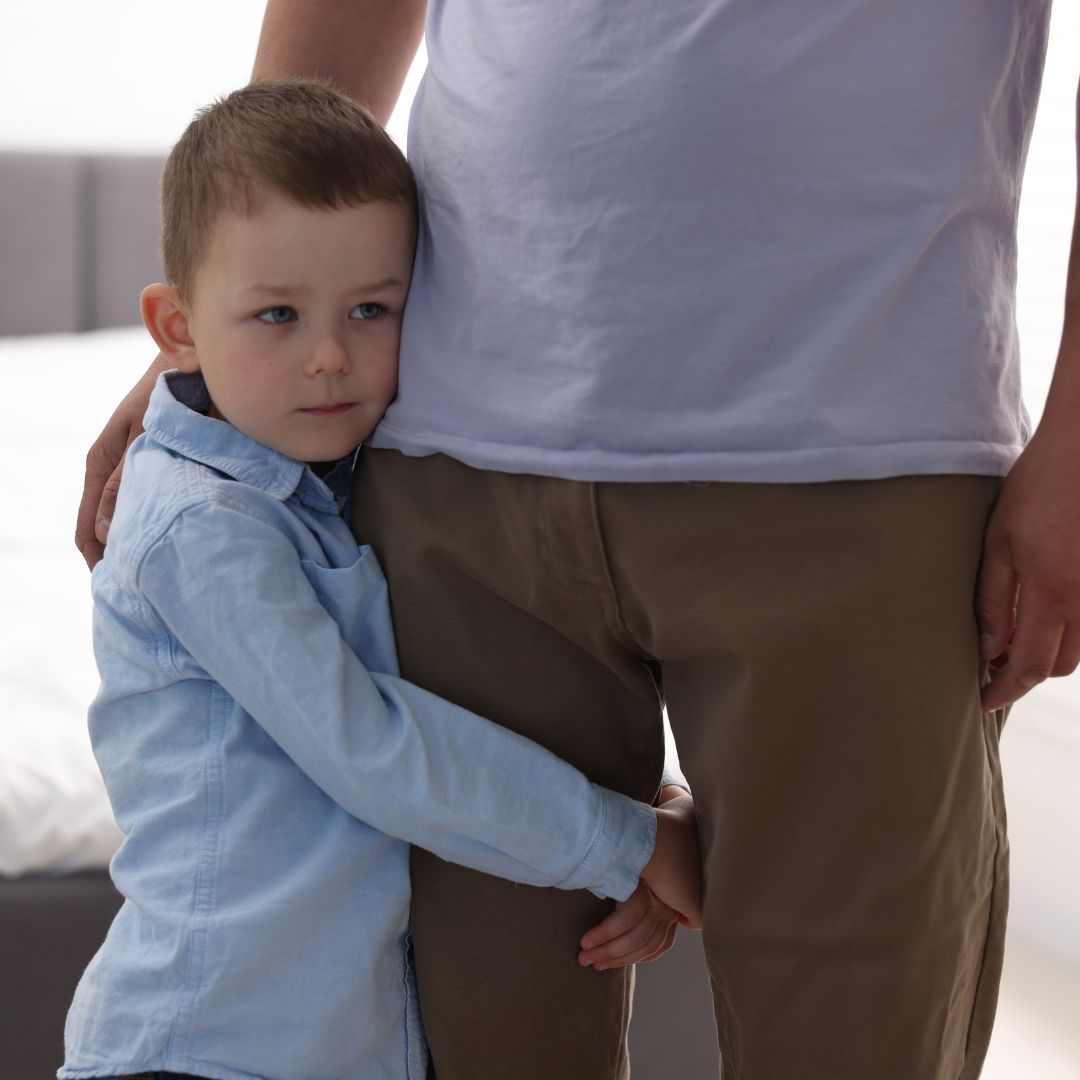
If your toddler cries, holds your leg, or refuses to let you go when you leave , you are not alone.
Many parents feel worried or even guilty when their child becomes upset during drop-off at school, daycare, or even when they step into another room. It is called separation anxiety.
And here’s the good news: it is normal, it is part of development, and with patience and the right support, your child will learn to feel safe even when you are not right next to them.
Toddlers love you deeply. You are their safe place.
Between 1 and 3 years of age, children begin to understand something new:
“You can go somewhere… without me.”
That thought can feel scary.
At this stage, they don’t yet understand:
So they:
Also read : Helping Children Build Confidence Through Small Achievements
Goodbyes feel easier for toddlers when they are predictable.
Instead of disappearing suddenly, try a simple ritual like:
Start small.
You might:
Say something simple like:
“I am going to the kitchen. I’ll be back soon.”
Then return , and smile.
Toddlers feel safer when they know what to expect.
Before leaving, explain in simple words:
“We will go to school. You will play. Then I will come back and take you home.”
Avoid long explanations. Keep it short and clear. You can also read books about saying goodbye and going to school , they help children understand that other kids feel the same way too.
Also read : Explore the Best Summer Camps in Delhi for Children
A small, familiar object can make a big difference.
You can give:
These items remind your child of home and give comfort during the day.
When your child sees that you trust the teacher or caregiver, they feel safer too.
Greet the teacher warmly. Share important details about your child. Let your child see that you are comfortable there.
If your child senses tension or doubt, separation becomes harder.
Partnership makes everything smoother.
Simple routines make life feel steady.
You can create routines for:
When children know what comes next, they feel less anxious and more in control.
Most separation anxiety is normal and fades with time.
But you should talk to a pediatrician or child specialist if:
Also read : Top Summer Camp Activities for Kids and Preschoolers in India
Separation anxiety can feel tiring and emotional for both, you and your toddler.
But remember:
Each loving goodbye, each calm return, each reassuring word builds trust.