





Blogfeed
When you watch your child grow, every new step feels magical , the first smile, the first word, the first tiny step forward. These moments are not just “cute.” They are important signs of how your child is developing.
These signs are called developmental milestones.
Milestones help you understand how your child is growing across areas like movement, language, thinking, emotions, and social skills. Every child moves at their own pace, but knowing the key milestones helps you notice progress and recognize when extra support may help.
Also read : Why the First 5 Years Matter - Early Learning Insights from Pathways GK
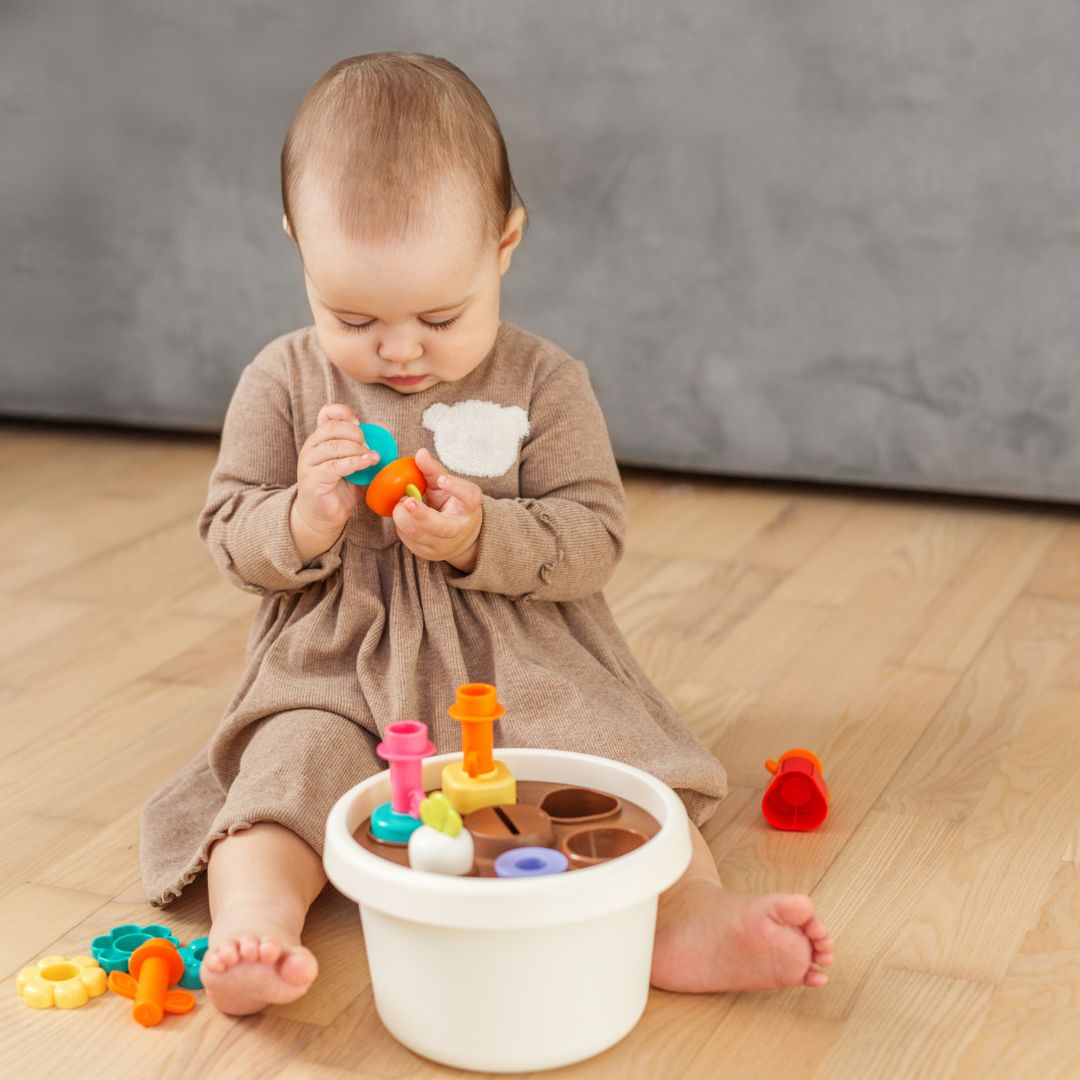
During the first year, your baby is learning about safety, love, and the world around them through everyday experiences. You are their comfort, their teacher, and their safe place.
By around 2–3 months, your baby may:
By around 4-6 months, many babies:
By around 8-12 months, you often see:
Also read : How Outdoor Challenges Build Confidence in Young Children
This is an exciting and busy time. Your toddler begins to move more, touch everything, and try doing things alone.
Many toddlers around this stage:
Emotionally, your toddler may:
Between two and three years, development starts to speed up. Your child becomes more talkative and more curious about everything.
During this age, many children:
Socially, you may notice:
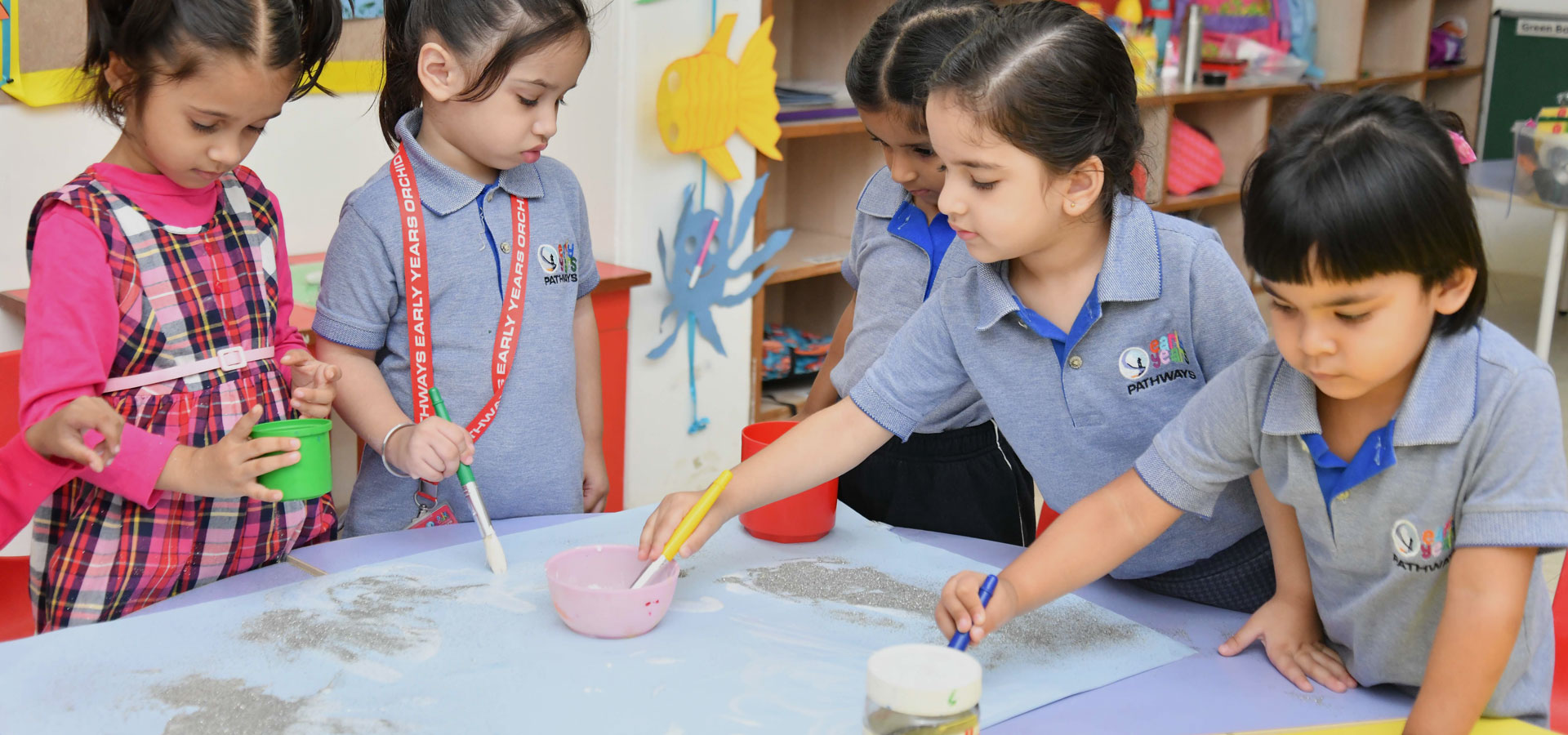
Around preschool age, children begin to understand others’ thoughts and feelings more. They slowly learn to cooperate, share, and communicate their thoughts.
Also read : Top Summer Camp Activities for Kids and Preschoolers in India
Many children at this age:
Emotionally, they start to:
By this age, many children become more confident and independent. They start preparing, slowly, for school-like learning, but still through play.
Many children around this stage:
Socially and emotionally:
You play the biggest role in your child’s milestones.
You help when you:
Development in the early years is not a race, it is a personal journey.
Each smile, word, step, drawing, and question shows your child growing in beautiful ways.
When you celebrate small milestones, stay patient, and trust the process, you give your child confidence, security, and love - the best foundation for life.